Why This Topic Landed in Japan
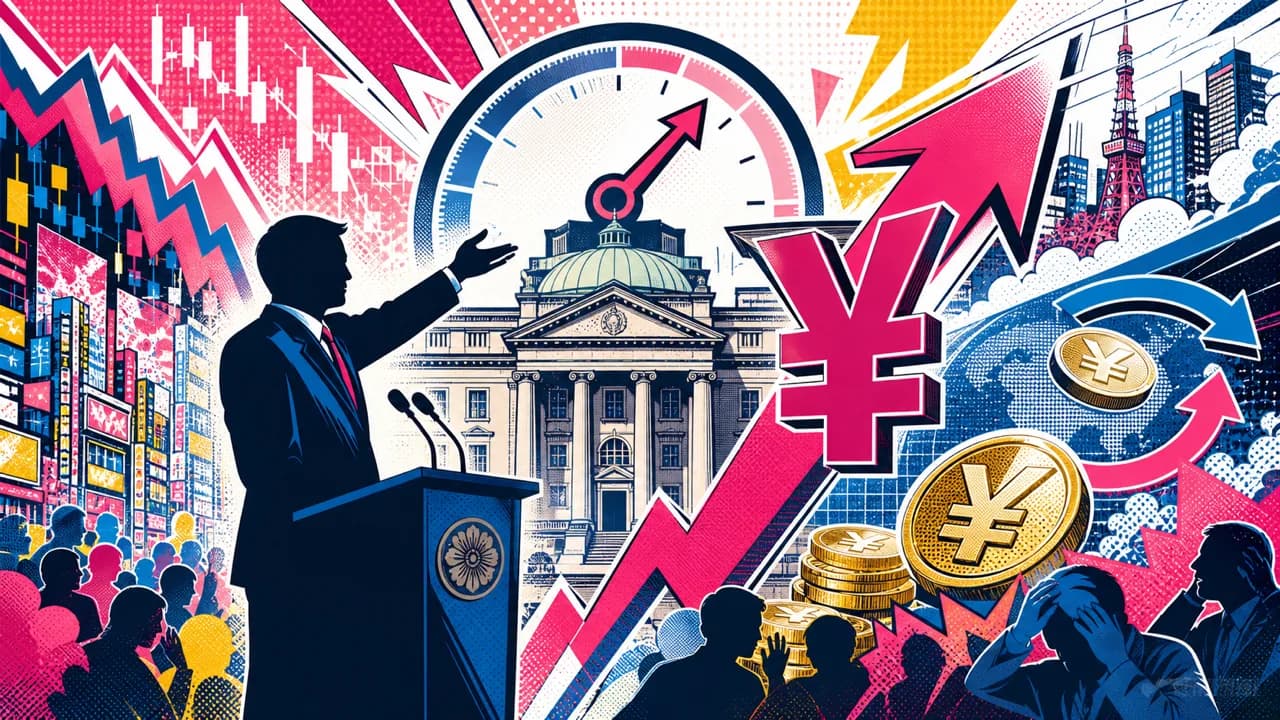
A weak yen and rising prices are an everyday subject in Japan, and for weeks the direction of Japanese monetary policy has been described out loud by American officials rather than Japanese ones. The day before, Bessent's line that Japan would take measures leading to a stronger yen had already run through the threads. What arrived now was the back room: the New York Times reported on 1 September that at a dinner on 11 May, Bessent spent more than two hours setting out his complaints about the Takaichi government's economic policy to Finance Minister Katayama Satsuki, said a Bank of Japan rate rise would improve matters, asked why the central bank had not been given independence, and pressed why some of the prime minister's economic advisers were making the case for a weak yen. The potato story landed differently. Japan grows about 70% of the potatoes it eats, so a request to open that market read as giving away something that did not need to be given, and the recent memory of negotiations over the rice market made it easy to read as the next item on a list. The two are separate matters, and both rest on news reporting.
Key Reaction Themes
- Most of the posts were about Tokyo's answer rather than Washington's ask — Why open a crop that is already 70% domestic; the government appears to be handing over everything; what gets asked for next. This framing ran through both stories.
- The next largest block was specific about pests — Raw potatoes brought in with insects still on them would finish the growing regions, and land hit by the pest cannot be used for years while it is disinfected. A counter-post argued the worry is moot, since American potatoes already account for most of the imported share.
- A sizeable group thought Bessent had a point — Money is being spent with no basis; with a 143 trillion yen budget, of course someone loses their temper.
- A smaller group turned it back on Washington — If a strong dollar is the problem, America can cut its own policy rate; fix domestic inflation first.
- A smaller group fixed on the timing — The dinner was in May and the report came in September, which was read as a sign that nothing had reached the prime minister at all.
What Japanese Netizens Are Saying
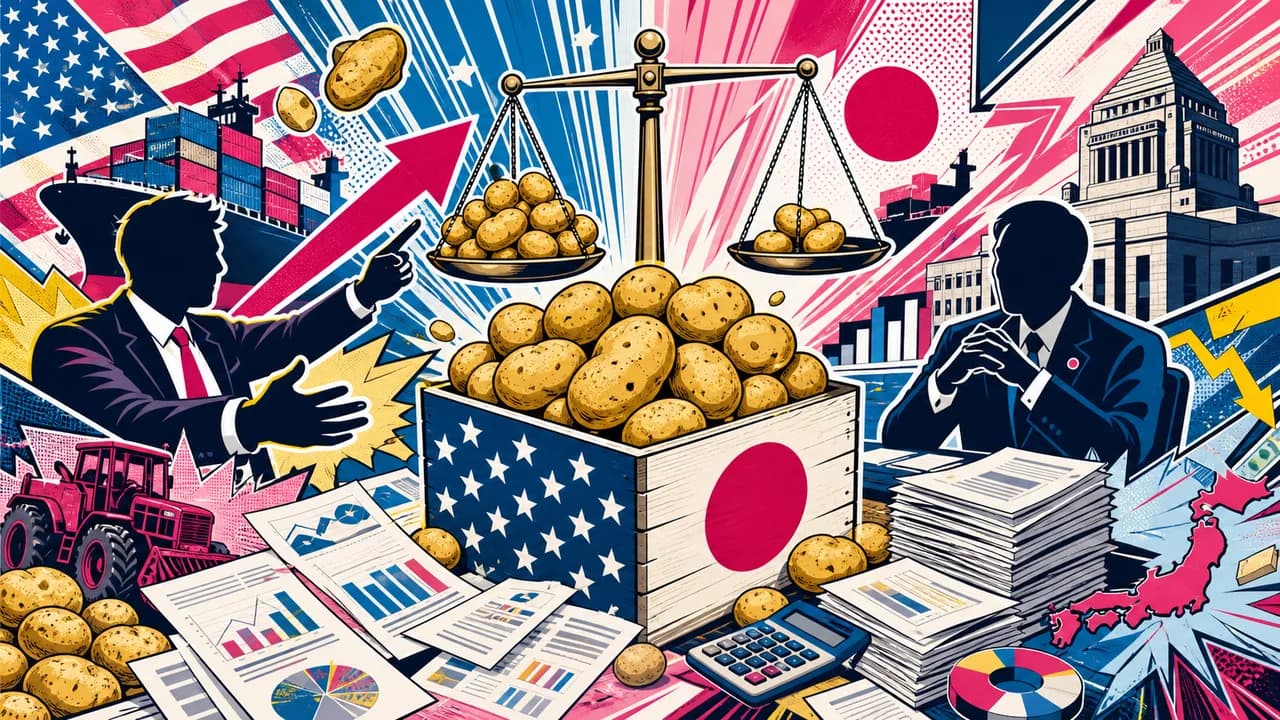
Trump asks Japan to take American raw potatoes
A crop Japan already grows about 70% of at home becomes the subject of an import request.
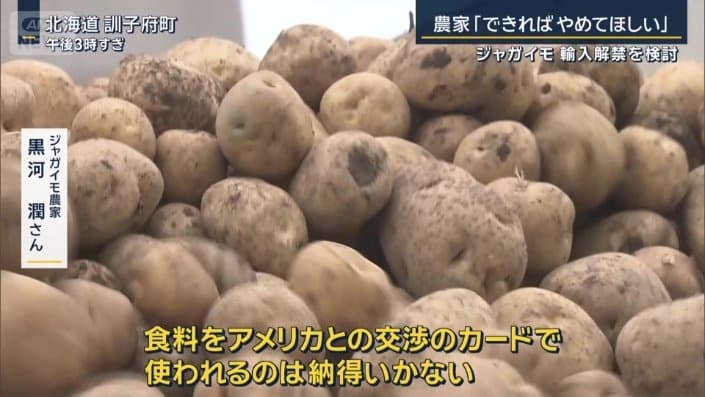
Sources: 2ch
Comments:
- "Make the remaining 30% all American and America will be happy too — win-win."
- "They were four for 99 yen at the supermarket just now. Is there any point importing these?"
- "Note that American potatoes come with a nasty bug on them, and if it spreads in Japan the farmers are finished."
- "But it came out that American potatoes already make up 75% of that remaining 30% of imports, so 22.5% is American, right? Haven't we already gone past the point where that's a worry?"
- "This time it's raw potatoes. For some reason they're saying they'll bring them in with the bugs still on. Normally, if there's any chance of soil contamination or live parasites, that's a measure you would absolutely never take."
- "We destroy the rice farmers. We destroy the potatoes. What's coming next?"
- "Toyota can just buy them."
- "Takaichi is selling off every last thing."
- "Do they actually intend to raise the food self-sufficiency rate?"
A two-hour dinner between the Treasury Secretary and the Finance Minister
A May dinner surfaces in September through a New York Times report.
Sources: Yahoo! news, 2ch
Comments:
- "He should have lectured for about 20 hours. To Takaichi in person, if anything."
- "If they don't like a strong dollar, America just has to cut its own policy rate. No idea about the side effects, though."
- "Well, of course. They're spending money with no basis for it."
- "And then a 143 trillion yen budget on top of that. Of course they'd lose their temper."
- "Even Bessent knows who Takahashi Yoichi is?"
- "Fix your own domestic inflation first. Damn it."
- "They coordinated between Japan and the US a month ago and it's already 160. People have said from the start that Takaichi is tone-deaf on the economy, but more than that, the market simply isn't taking them seriously."
- "Bessent's coordinated Japan-US intervention ended in failure."
- "Because they said they were delighted by the weak yen. They're taken to actually think a weak yen is fine."
- "May, lol. Looks like none of it reached Takaichi at all, lol."