Why This Topic Landed in Japan
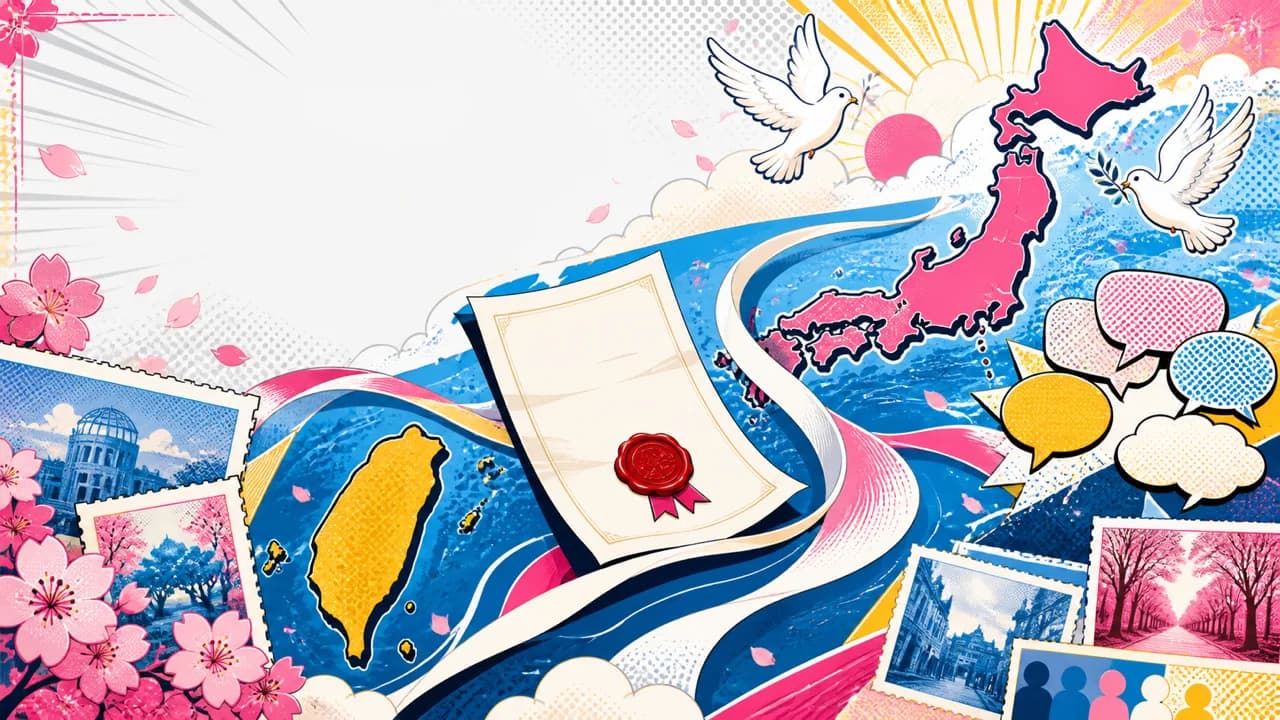
Early August, around the anniversaries of the war's end and the atomic bombings, is when Japan's memory of the war becomes an annual argument. Opinion splits between those who say the country must squarely face its responsibility for aggression across Asia and those who weigh the international circumstances and the self-defense angle of the time. Running alongside it was a translated overseas-forum thread asking why postwar Japan wasn't permitted to keep Taiwan. Japan's renunciation of its claim to Taiwan and the Pescadores under the San Francisco Peace Treaty is documented; because the treaty left sovereignty unassigned, it gave rise to the "undetermined status of Taiwan" argument. The legal readings that flow from that—along with talk of a U.S. "divide-and-rule" scheme, a breach of the Atlantic Charter, and counterfactuals about Taiwan's chip industry—mix established fact with evaluation and speculation, and a single-cause headline like "why wasn't it allowed" oversimplifies a complex settlement.
Key Reaction Themes
- Facing responsibility for aggression — Criticism that ignoring the invasion of Asia and the Second Sino-Japanese War is itself the problem.
- How the war is taught and told — The framing of "end of the war" rather than "defeat," and how little textbooks say about the harm Japan did.
- A geopolitical reading of losing Taiwan — U.S. divide-and-rule, plus counterfactuals like "Taiwan's chip industry wouldn't exist if it had stayed Japanese."
- Belonging and self-determination — The view that the people living in Taiwan are not Japanese.
What Japanese Netizens Are Saying
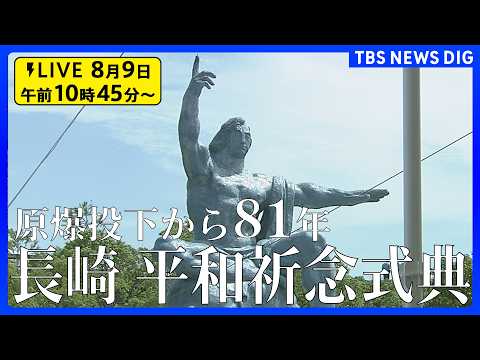
Does Japan talk about the war only as a victim?
A recurring war-anniversary debate over Japan's memory of the conflict.
Comments:
- "You lot are the perpetrators, you know 🥺"
- "Exactly. Think of how much trouble Japan caused across all of Southeast Asia."
- "It's because people won't criticize the government and the Emperor who drove the country into militarism."
- "It's postwar education—we're deliberately taught 'the end of the war' rather than 'defeat.'"
- "It's the education that's bad. Look at kids' middle- and high-school history textbooks—there's really very little about the harm we did. In what way is that a 'masochistic view of history'?"
- "They probably don't even know why the atomic bombs were used on us."
- "Calling for the abolition of nuclear weapons is meaningless unless you say it in the countries that possess them, not in Japan."
- "The biggest problem is that people talk about the Pacific War but ignore the Second Sino-Japanese War."
- "Everyone remembers forever what was done to them, but quickly forgets what they themselves did."
- "The victim mentality is intense—no mention at all of all the rape, looting, and killing done across Asia."
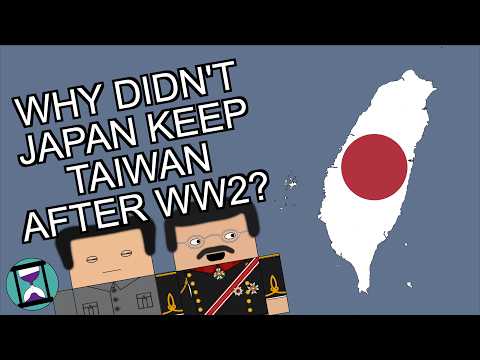
Why Japan wasn't allowed to keep Taiwan (overseas reactions)
Japanese readers respond to an overseas-forum debate on the postwar handling of sovereignty.
Comments:
- "Because they were contaminated by reds. They tore up even the 'Atlantic Charter' they themselves drew up, with its principle of no territorial expansion, and treated Taiwan and the Kurils—Japanese territory under valid treaties—as 'stolen goods' to be surrendered."
- "America always picks the wrong enemy to fight."
- "They wanted to leave sparks of conflict with the neighboring countries—the Northern Territories, Takeshima, the Senkakus, Taiwan, all of them. It's a divide-and-rule ploy because they don't want a large power forming in East Asia, and also to keep Japan dependent on America forever."
- "Well, it's that the people living there are saying, 'We're not Japanese.'"
- "If it had stayed part of Japan, Taiwan's semiconductor firms probably wouldn't exist, would they? They'd have been crushed by the semiconductor accord. Today's Taiwanese chip industry exists precisely because of that accord's effects, and China might not have turned out the way it is now either."
- "No—sorry, but like Korea, if Taiwan were Japan I don't think Japan would have the standing in the world it has today. Even pro-Japan Taiwan differs quite a lot from Japan in language, customs, culture, and civic sense, so if everyone had gone on living mixed together as one Japan, there'd surely have been trouble. All the more so with Koreans. Personally, I broadly welcome today's postwar borders, apart from Takeshima and the Northern Territories."