Why This Topic Landed in Japan
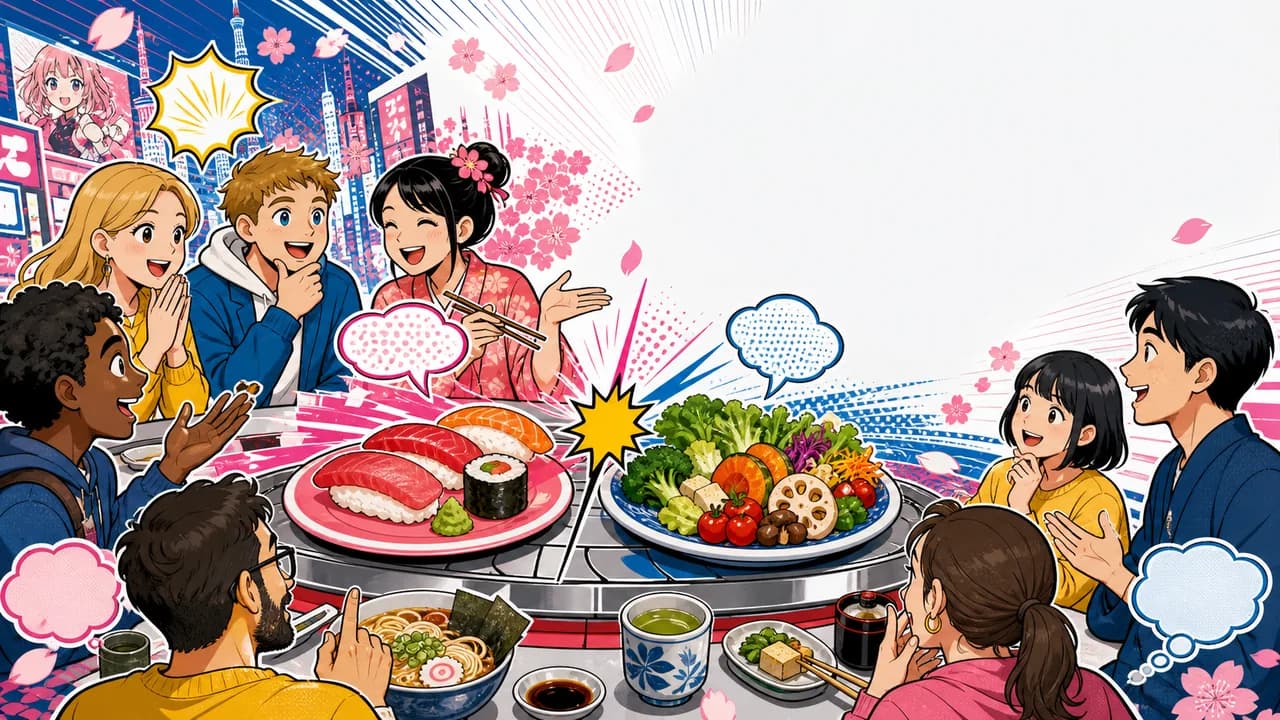
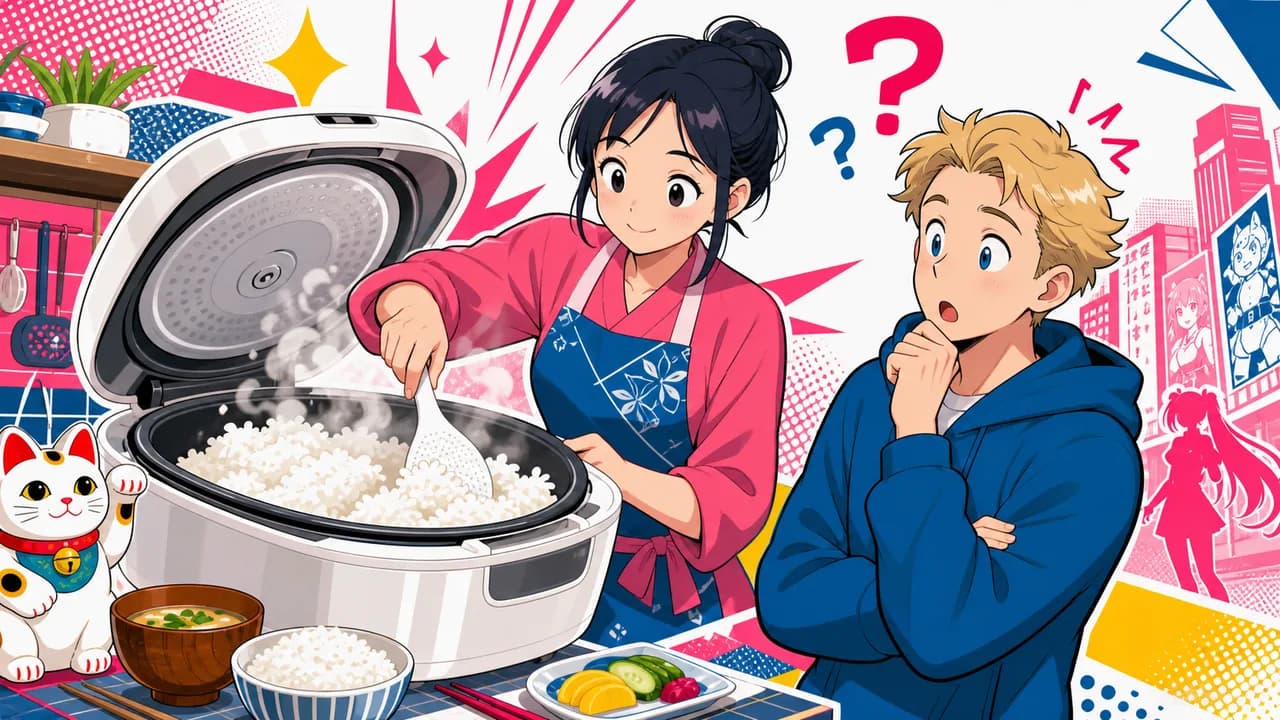
Japanese reaction sites have been steadily mining "how foreigners view everyday Japanese kitchen habits" as inbound interest in Japanese food keeps growing, and the rice-cooker stirring question was an unusually clean trigger. The catch is that Japanese commenters themselves don't actually agree on the practice: some swear by the cooker manual's instructions to fluff and release steam, while others say stirring breaks the grains. So the foreign confusion became an excuse for Japanese users to publicly relitigate a domestic habit, with side debates spreading to sushi rice and onigiri compaction — places where the way Japanese cuisine handles rice grains is most obviously different from the rest of the world.
Key Reaction Themes
- The "always stir" camp — Many commenters cited the rice-cooker manual itself: stir right after cooking to vent excess steam, even out moisture, and prevent sogginess at the bottom.
- The "never stir" camp — A vocal minority insisted that stirring breaks the grains, and that anyone whose rice "gets crushed by its own weight" is simply cooking it too soft.
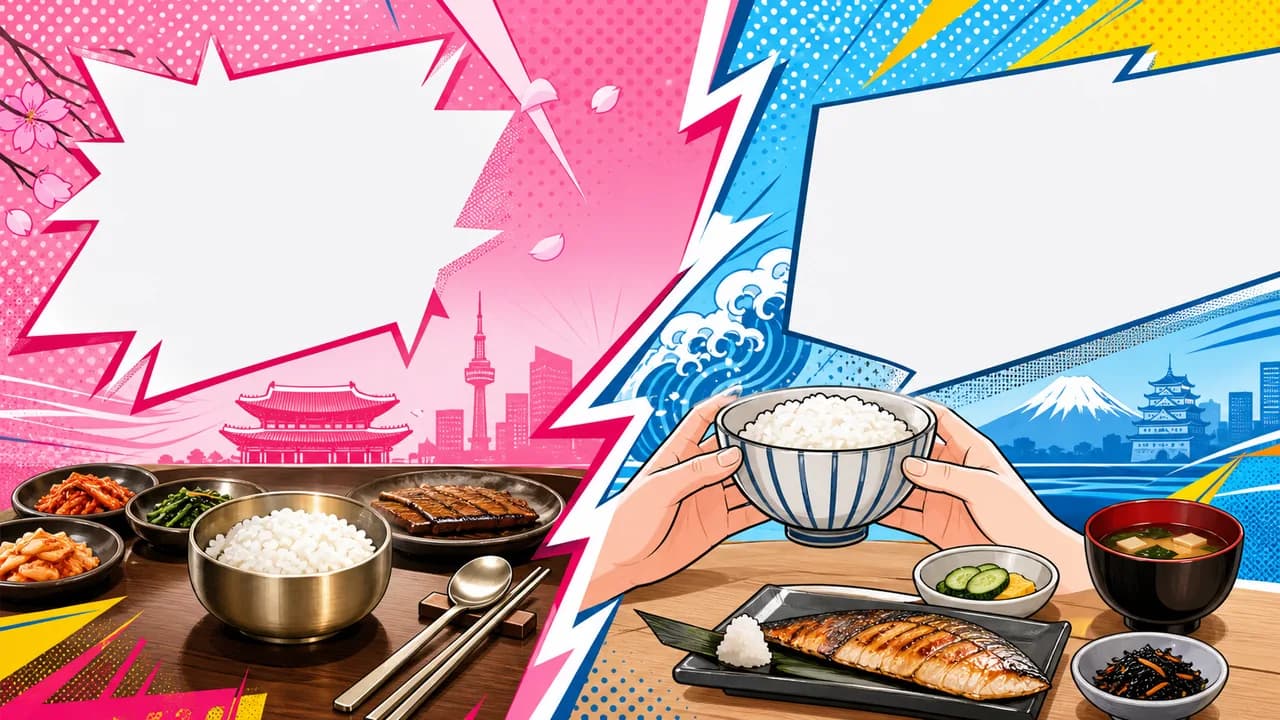
- Food-culture scale debate — Several threads pointed out that countries with heavily seasoned, oily cuisines don't care about individual grain texture the way Japan does, which is why the fluffing step looks pointless from the outside.
- Cross-border meta-commentary — A self-identified Chinese commenter said they also didn't see the point but acknowledged the technical explanation made sense, which prompted Japanese users to half-jokingly reply that the topic "doesn't really involve China anyway."
What Japanese Netizens Are Saying
- "Honestly I don't even know why we're stirring it."
- "The bottom layer gets crushed under its own weight, so you stir it to redistribute the moisture."
- "Wait, my parents used to stir it — why is that?"
- "I never stir it, the grains break."
- "How soft are you cooking your rice if the grains 'break'?"
- "Chinese here, I don't get it either, but technically: stirring releases excess moisture, prevents stickiness, and makes the grains fluffy — and it evens out the doneness. Countries that eat rice with heavy oily dishes probably don't care about that."
- "The cooker manual literally says to fluff it as soon as it's done so the steam can escape."
- "This topic doesn't really involve China though."
- "I'm a bit weirded out that the original poster is calling it 'stirring' instead of 'fluffing'."
- "Foreigners who think pressing sushi rice and onigiri tight is good probably can't imagine why fluffing matters."
- "You're cooking in a pot. There's uneven heating. You flip the inside and outside to even it out, just like you'd stir a simmering dish."
- "There's superheated steam pooled at the bottom. If you don't release it, the rice gets soggy. You're literally making space between the grains."