Why This Topic Landed in Japan
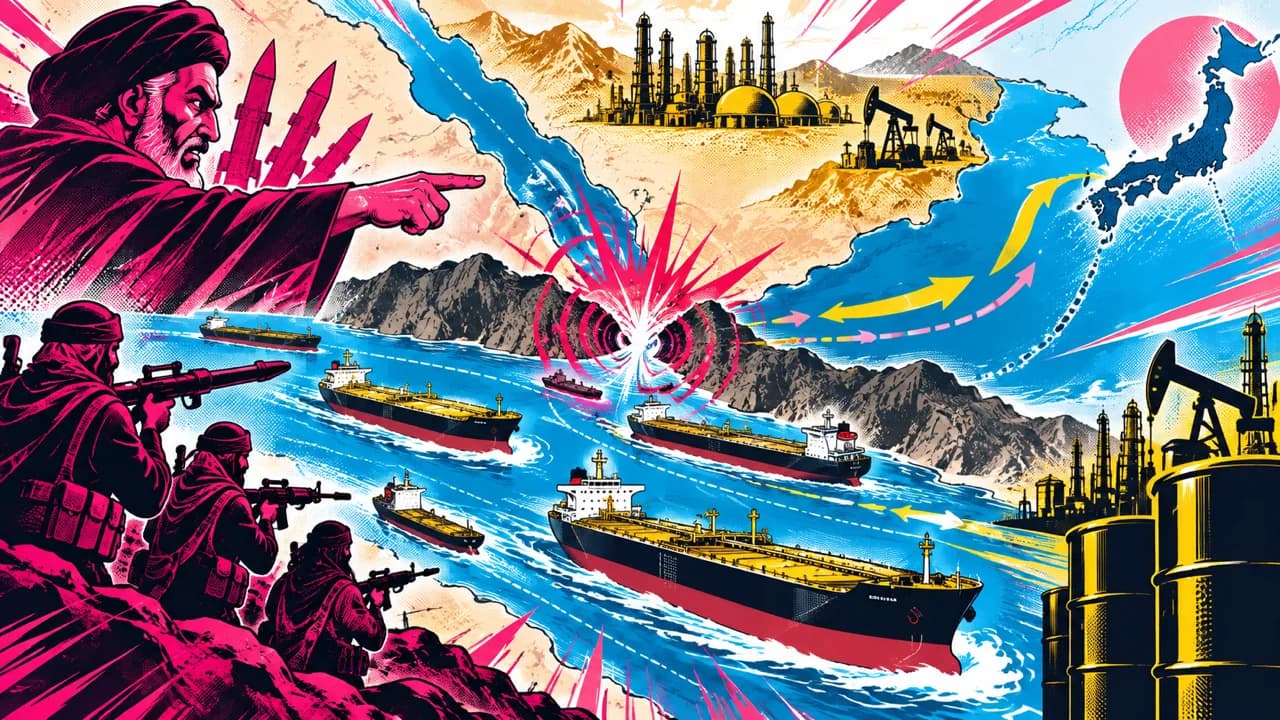
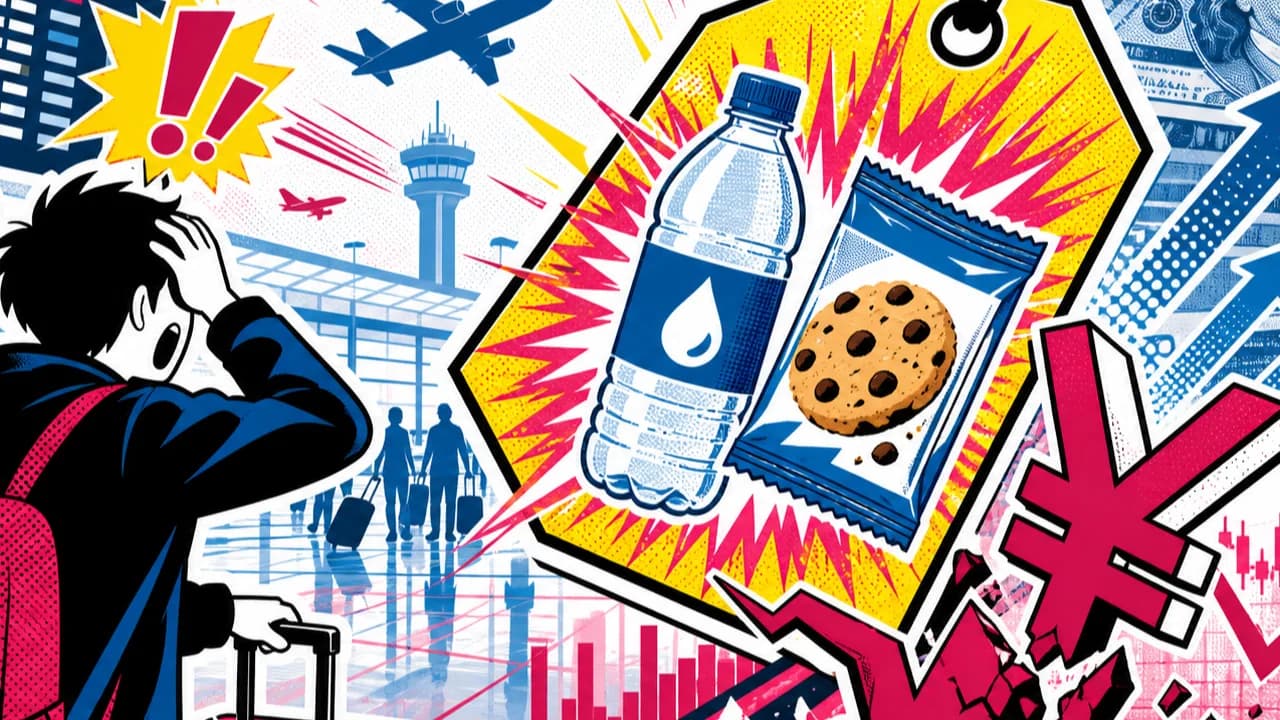
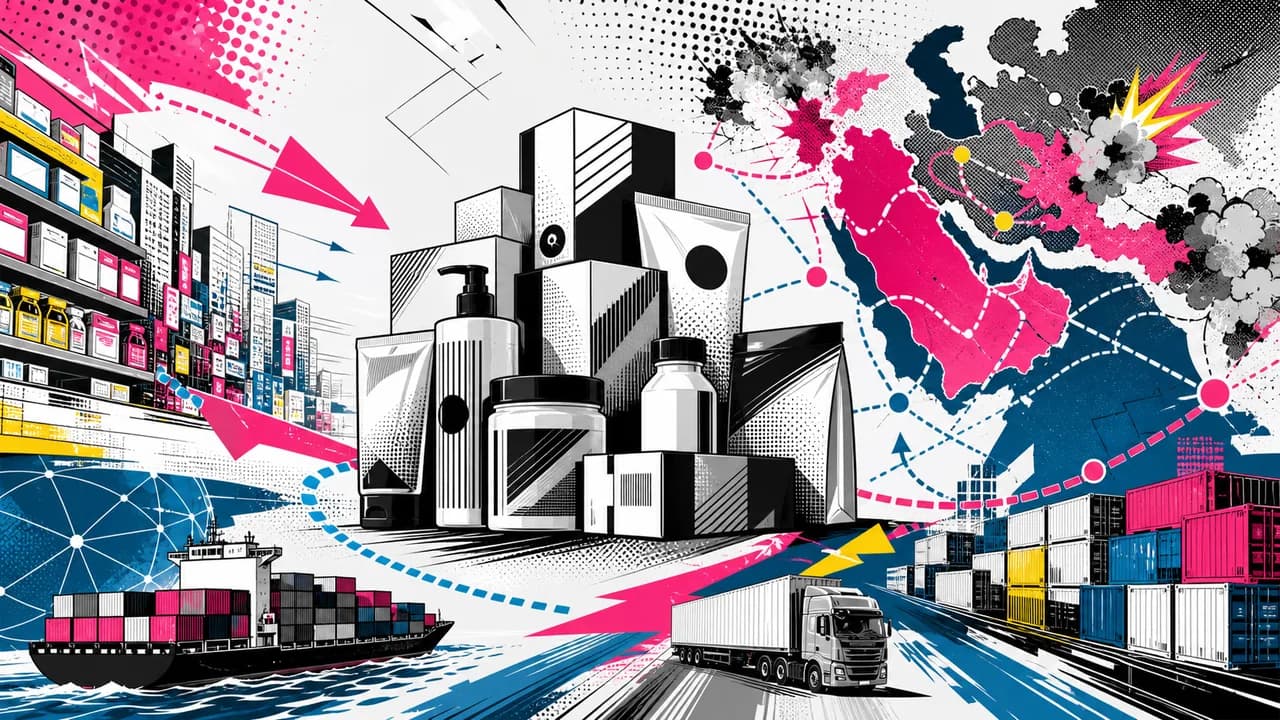
The story made international instability visible on supermarket shelves. A shortage tied to Middle East conditions and naphtha-derived ink was no longer abstract; it appeared as the loss of color from familiar snacks and food packaging.
Key Reaction Themes
- Everyday scarcity — Many commenters treated monochrome packaging as a symbol of a broader resource squeeze.
- Practical acceptance — Some accepted the change if it preserved more essential uses of materials.
- Skepticism toward framing — Several comments questioned whether the shortage was being exaggerated or used as a political narrative.
What Japanese Netizens Are Saying
- "My appetite..."
- "Color is disappearing from Japan."
- "Is this anti-Japanese again? lol"
- "A publicity stunt, as usual."
- "Why not make the contents visible if they are red inside?"
- "We shall not want until we win, as usual."
- "It looks like something from Muji."
- "Wasn't it a change to the illustration, not black-and-white?"
- "I bought a year's worth of tissues, toilet paper, dish soap, garbage bags, and laundry detergent. Will that be enough?"
- "Black-and-white packaging simply makes me less likely to buy it."
- "Wasn't the government angry, saying naphtha itself is not short?"
- "Toyota has stopped factories because it cannot get naphtha-based solvents, right?"
- "Isn't this fine? Save naphtha first from areas that do not affect life much, so medical supplies can still be made."
- "The government: hurry up and run out of naphtha already, you know what we mean..."