Why This Topic Landed in Japan
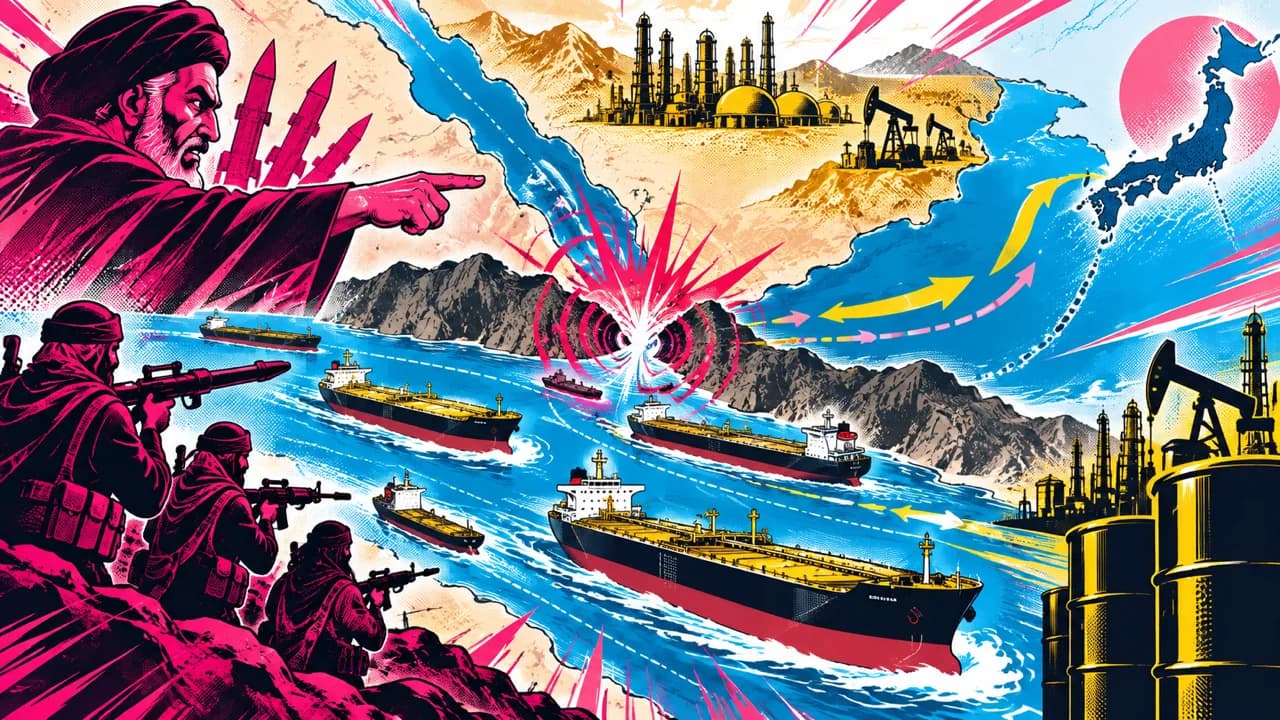
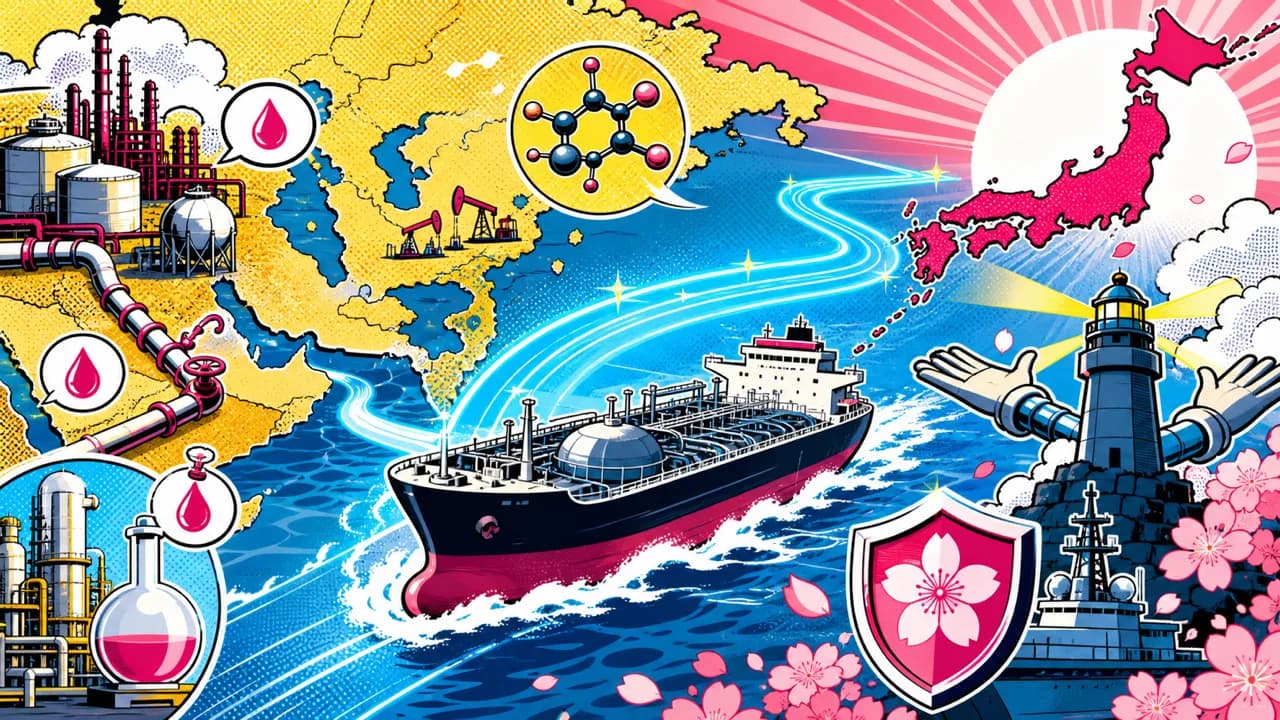
Middle East instability is not an abstract foreign-policy issue for many Japanese readers; it quickly becomes a question of fuel, logistics, petrochemicals, and household prices. The reference to Idemitsu's Nissho Maru gave the story a historical hook, turning supply continuity into a narrative about Japan's old ties with Iran and how Japan is treated differently from other countries.
Key Reaction Themes
- Relief over supply continuity — Many comments treated secured naphtha and tanker access as a practical reprieve from shortages.
- Sarcasm over political credit — Some credited the government, while others insisted private companies had done the real work.
- Historical diplomacy as a status marker — The 1953 Nissho Maru reference was read as evidence that old commercial ties still matter.
What Japanese Netizens Are Saying
- "It looks like some people really needed Japan to be doomed."
- "Do the people who screamed about naphtha realize they were basically disrupting business?"
- "People on the ground keep saying supplies are short. Nobody forced them to say that."
- "If you just sit and watch, sure, it falls apart. But governments and companies normally secure alternatives."
- "The Iranian embassy said Idemitsu's Nissho Maru mission in 1953 was proof of friendship, and that legacy still matters today."
- "ENEOS, you are not invited."
- "Idemitsu gasoline used to be cheaper than ENEOS, right? I wonder why."
- "They bragged after securing only one day's worth, so I cannot trust it."
- "Where are the people who said everything would run out in June?"
- "Looks like Chinese finished products will cover it. Thanks, dad."
- "Japan should supply oil to Asia. Mutual aid matters."
- "So this is that 'thank you, LDP' thing people keep saying here?"
- "The incompetent government did nothing. This is the result of private-sector effort."
- "So dialysis will not be interrupted and people will not die. Good."