Why This Topic Landed in Japan
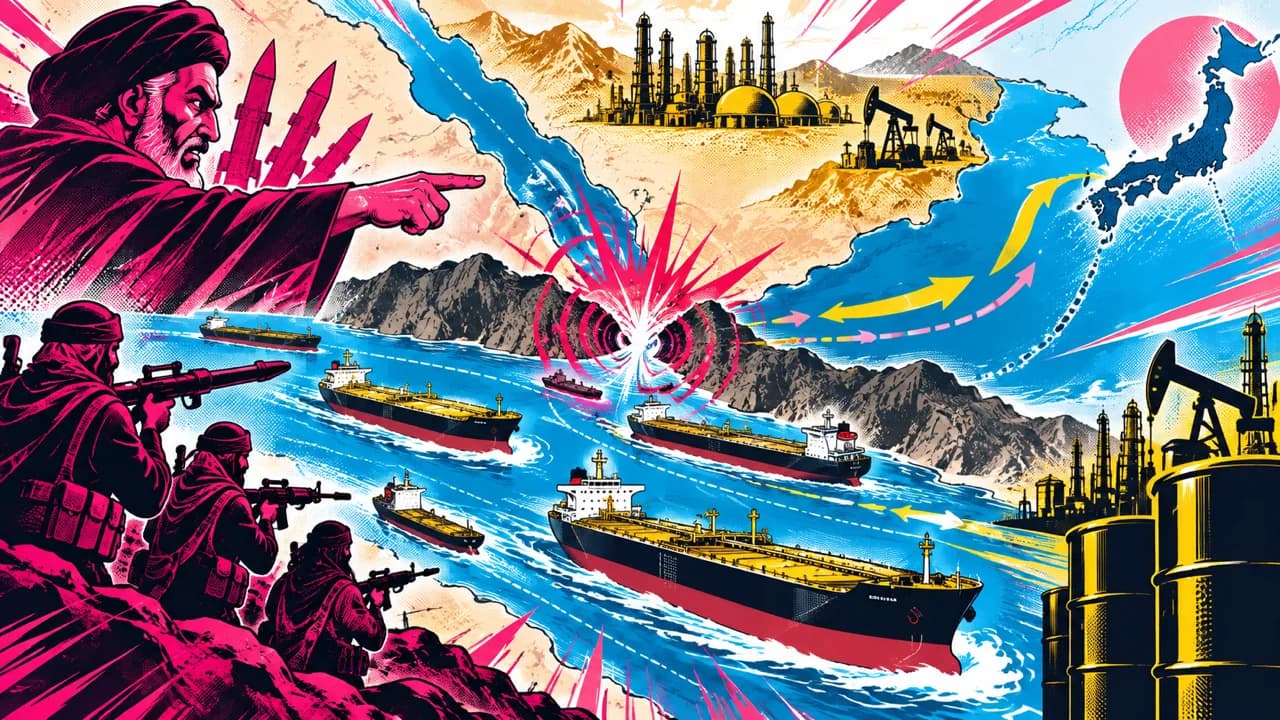
Global stories stick in Japan when they can be translated into everyday value questions. Hormuz matters because fuel, plastics, and freight affect ordinary life; Dragon Ball matters because it turns Japanese cultural memory into a visible dollar price. In both cases, commenters were less interested in abstract diplomacy or collector culture than in a simpler question: what is still secure, and what is Japan still worth, in a volatile world?
Key Reaction Themes
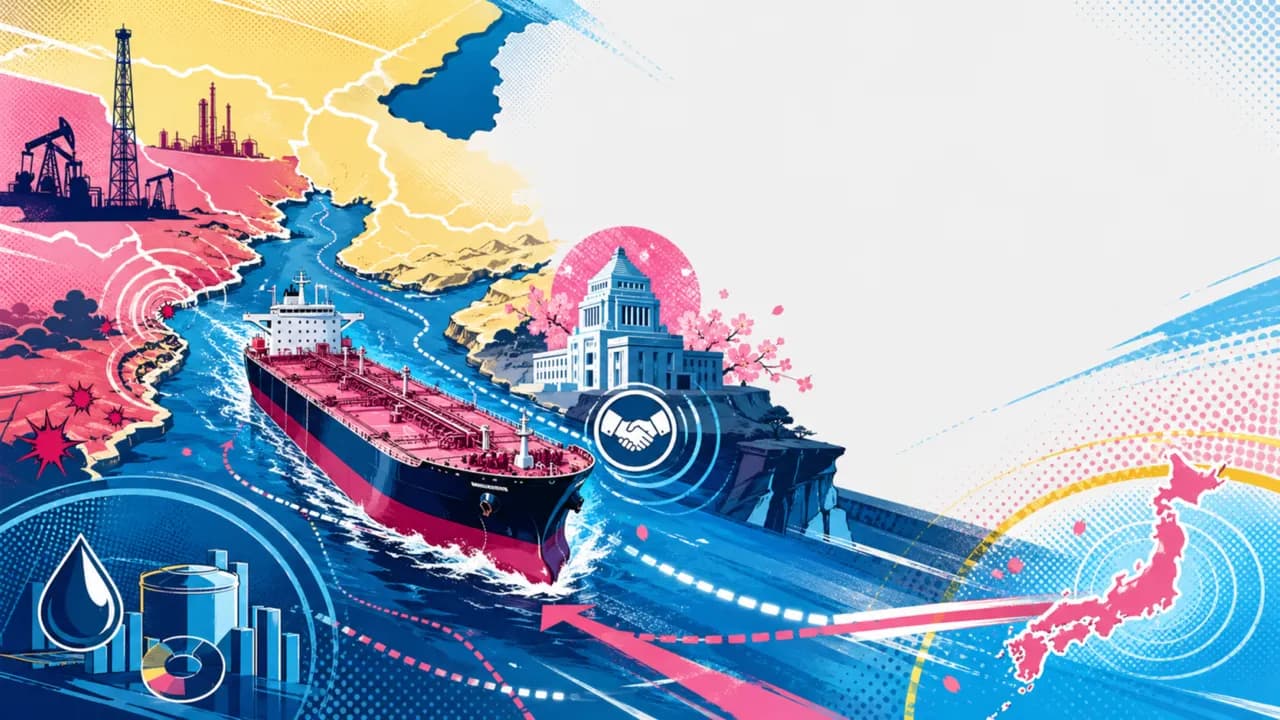
- Immediate concern about supply resilience — The tanker comments were practical first and geopolitical second, focusing on whether enough crude can still reach Japan.
- Relief mixed with suspicion — Even upbeat reactions treated the calm as temporary and fragile.
- Pop culture treated like an economic asset — The Dragon Ball sale produced less nostalgia than speculation about collectibility, foreign buying power, and what weak-yen Japan is letting go abroad.
What Japanese Netizens Are Saying
- "The guy who bought 50 kilos of canned tuna is finished now."
- "Fujairah is outside Hormuz, so that alone means nothing."
- "If oil can still arrive from somewhere, that's good news."
- "So is it enough? If not, it doesn't matter."
- "Trump will restart the war anyway. This is only for now."
- "At least tell me when the first issue of Demon Slayer sells for this much."
- "Demon Slayer won't become Dragon Ball."
- "A friend sold the issue with Demon Slayer's first chapter for 100,000 yen."
- "The chapter where Goku became a Super Saiyan would be worth even more."
- "I honestly hate seeing foreigners buy up high-value pieces of Japanese culture."
- "That's what a weak yen does. It's cheap for them."
- "Be careful. There are lots of fake Dragon Ball first issues printed in China."