Why This Topic Landed in Japan
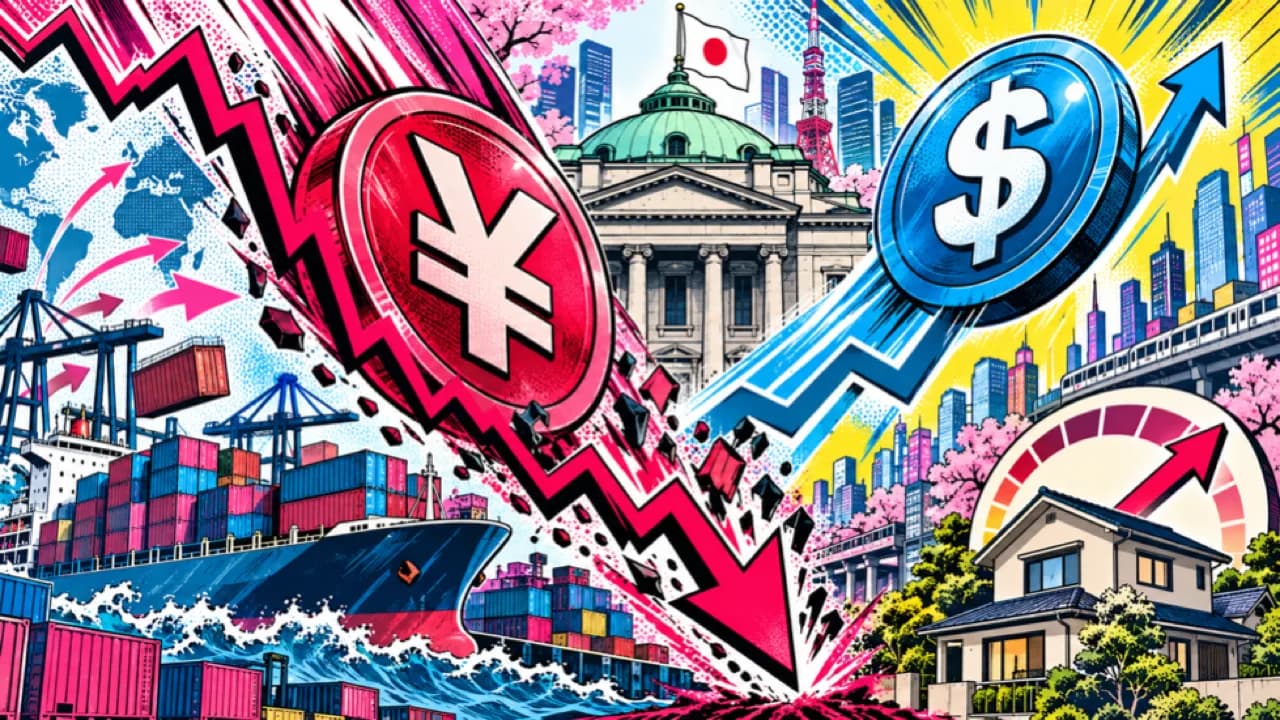
Foreign stories about war labor, inflation, and food insecurity easily connect with Japan’s own anxiety about yen weakness, prices, and employment. The alleged Russian job trap and the U.S. food-bank story both reinforced a feeling that even wealthy countries no longer guarantee stability for ordinary people.
Key Reaction Themes
- Anger at Russia — The alleged job-recruitment scheme was treated as wartime exploitation or human trafficking.
- Collapse of middle-class stability — The U.S. food-bank example shocked readers because it involved a household that still seemed relatively high-income.
- Split views on yen weakness — Some saw the weak yen as household pain, while others argued it supports exporters and stock prices.
What Japanese Netizens Are Saying
- "Russia is absolute garbage."
- "There are always villains who engage in human trafficking during wartime."
- "A trap, a trap, falling into a trap."
- "Have Russians not always been like this?"
- "Even family restaurants cost more than 5,000 yen now, right?"
- "There is nothing but anxiety about the future. The era when graduating college and working hard guaranteed happiness is over."
- "Stocks are at record highs because of the weak yen, though."
- "What happened when the dollar was 80 yen under the Democratic Party? Stocks were at 8,000. Even a child can understand this logic."
- "Export industries profit, Japan’s core is export industries, and stocks rise. That is reality, not theory."
- "I do not think we can say the yen and stock prices are directly linked anymore."
- "If it is like that in America, what will happen to Japan?"
- "It is becoming impossible for ordinary people in any country to live normally."