Why This Topic Landed in Japan
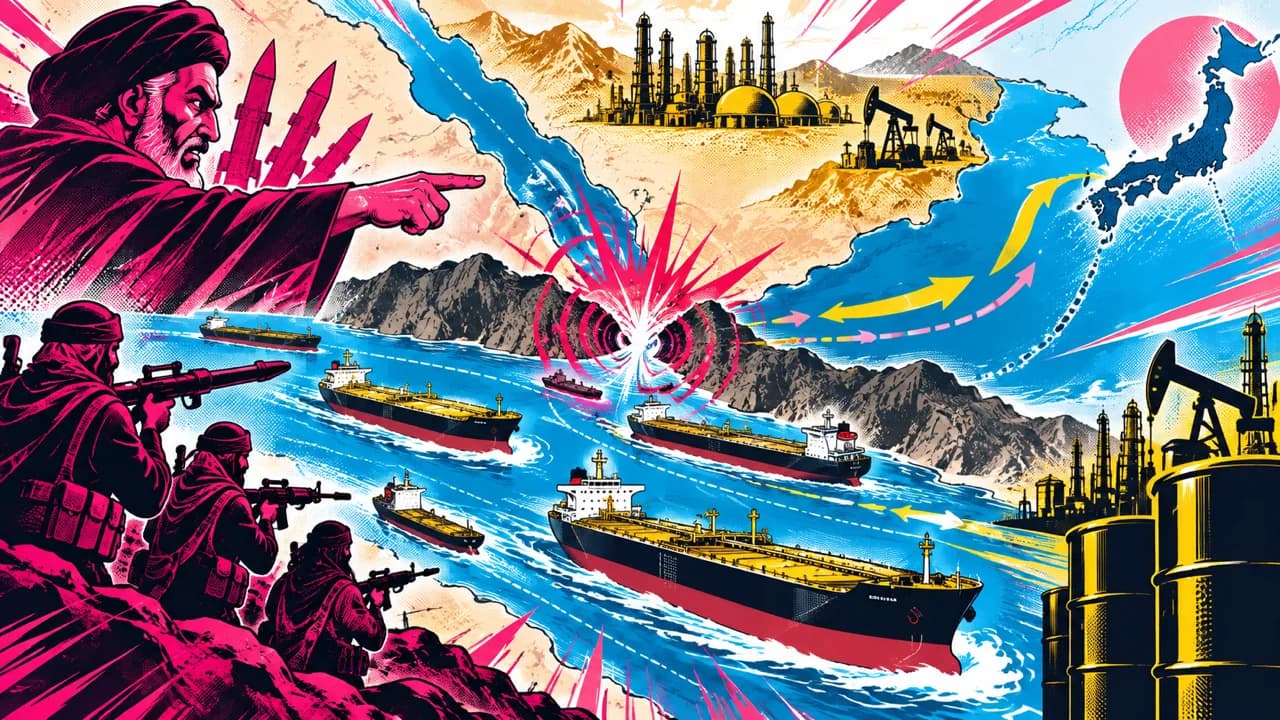
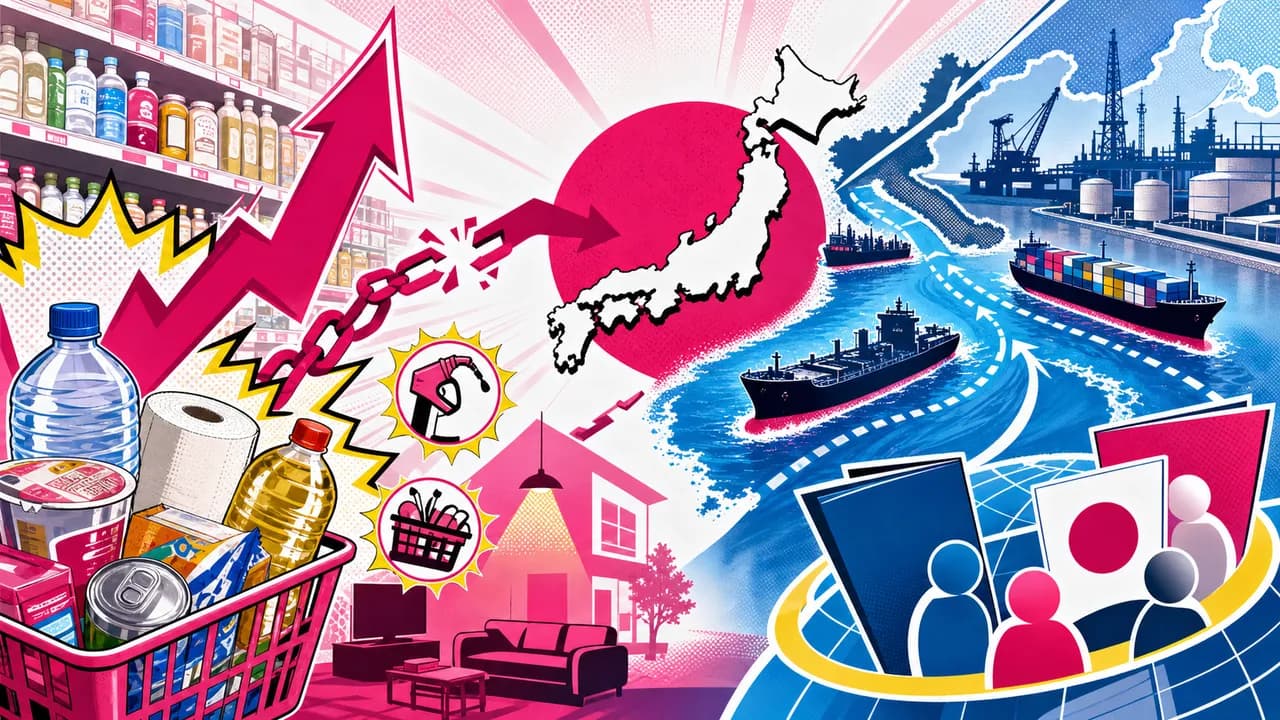
Middle East risk becomes concrete for Japanese readers when it touches fuel, petrochemicals, imported goods, and prices. The Hormuz story also offered a status narrative: Japan was imagined as a country whose past commercial ties and trust still pay off. That combination made a foreign-policy issue feel both domestic and emotional.
Key Reaction Themes
- Everyday supply anxiety — Some reactions turned price hikes into jokes, but the underlying concern was that war can reach household goods.
- Diplomacy as accumulated trust — Commenters treated Japan's access as proof that relationships and history matter more than money alone.
- Neighbor-country comparison — A portion of the thread shifted into sarcasm toward South Korea and unresolved territorial resentment.
What Japanese Netizens Are Saying
- "To save petroleum products, just finish inside."
- "The birthrate problem is solved."
- "Seriously? I guess we have to do it raw."
- "I only use Sagami Original. Will that go up too?"
- "I should stock up."
- "This is what accumulated diplomatic history means. Trust is different. People who only talk about money are fools."
- "First, pay the overdue oil bills. Then we can talk."
- "South Korea: 'Japan, please lend us money...' Japan: 'Fine, but you had better pay it back.'"
- "Money, money, money."
- "The trust is different."
- "The condom price hike and the supply chain destroyed by the Iran war."
- "Give Takeshima back."