Why This Topic Landed in Japan
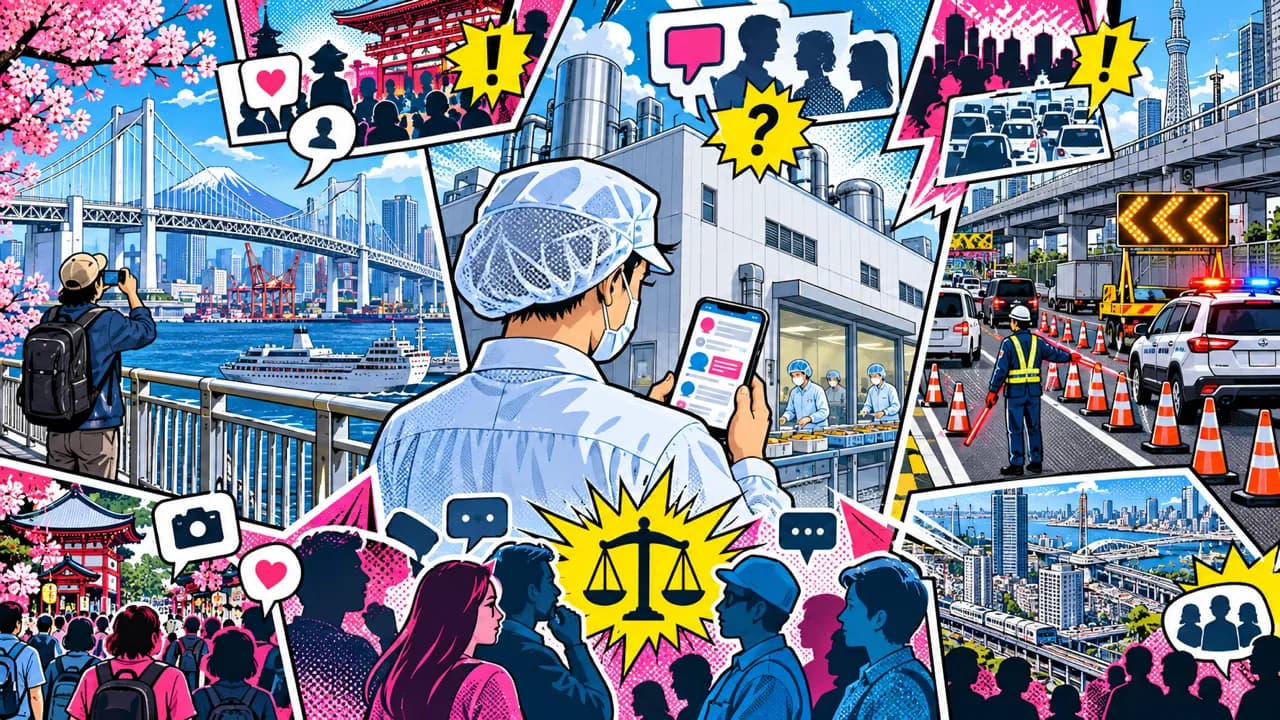
Convenience stores are a symbol of Japanese daily-life infrastructure, so the reality that their staff are now largely foreign keeps coming up as a close-to-home sign of a "society becoming an immigrant one." Behind it sit a low-wage labor shortage and an aging, shrinking population, and the thread connected to recently-circulated polling showing a rise in people who find a local increase in foreigners unwelcome. This time, a former Seven employee's account — "Japanese simply stopped applying first" — was received as a frame that points the root of the problem at companies and the wage structure rather than at foreigners themselves.
Key Reaction Themes
- Criticism of the labor structure led the thread — Low pay, too many tasks, solo shifts, and head-office squeezing mean Japanese won't apply: companies dodged wage hikes and brought this on themselves.
- Defense and praise — Next most common: foreign staff are actually competent and polite, less likely to be harassed by difficult customers, and in depopulated areas a convenience store directly sustains the community.
- Everyday unease — A smaller group raised the urban-rural gap and the language barrier.
- Structural fixes — Others said to end 24-hour operation and over-expansion, or that convenience stores aren't needed in the first place.
What Japanese Netizens Are Saying
Big-three convenience chains top 80,000 foreign staff, driven by labor shortage and low pay
Sparked by a former Seven employee's account that "Japanese stopped applying before foreigners arrived," criticism of low wages and labor conditions mixed with positive assessments.
Sources: Yahoo! news, 2ch
Comments:
- "People have been saying it doesn't pay off for decades. Foreign clerks aren't something that started just now."
- "There are plenty of unemployed people, but they don't come because the pay is low."
- "This is the result of endlessly opening more and more convenience stores."
- "They should just stop overnight operation."
- "The pay is broken relative to the work, and on top of that they keep running ridiculous campaigns while only the executives line their pockets."
- "Of course — tons to memorize, a certain level of customer service required, you have to deal with garbage customers, and the pay is low; convenience-store work is in the top 5 jobs in Japan not worth the reward. Plus there's near-fraudulent squeezing by head office."
- "Where I am in the countryside there are no foreign clerks, everyone's Japanese, and there are rude college-student part-timers too. This article is just about cities where there's more work than people, I think."
- "The language barrier probably also works as a buffer against complaining customers — that seems like a factor."
- "Japanese clerks get hassled by awful customers; there aren't many people who pick fights with foreigners."
- "✕ clerk ◯ slave."
- "It was a chance for workers' wages to rise, though."
- "Even in the countryside it's getting full of foreign clerks, but I've rarely seen a bad one — they probably use their native language, English, and Japanese perfectly. They seem more capable than the Japanese high-schooler or grandma clerks."
- "I've heard convenience stores are mostly foreign students, and the capable ones at that."
- "Of course they don't come. The hourly pay is cheap — for how hard the work is!"
- "Because the post office stopped functioning as a financial institution, in depopulated areas whether there's a convenience store is directly tied to a community's survival."